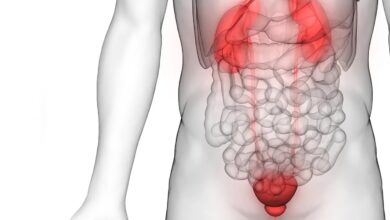

A preclinical study led by researchers at Weill Cornell Medicine and the Cornell Duffield College of Engineering has revealed that prostate-targeted, engineered silica nanoparticles can directly destroy prostate tumors while simultaneously boosting the immune system’s ability to fight the cancer.
Derived from silicon dioxide—a natural compound found in healthy foods and ancient sedimentary structures—these “ultrasmall fluorescent core-shell silica nanoparticles” (originally dubbed Cornell Prime dots, or C’ dots) induced complete remission in mouse models of aggressive prostate cancer.
Initially designed strictly for medical imaging, C’ dots are already in advanced clinical trials for image-guided surgery. However, scientists recently discovered that these particles possess inherent therapeutic properties that selectively kill cancer cells while leaving healthy tissue unharmed.
How C’ Dots Attack Tumors
Published in Cancer Research, the study highlights a unique dual-action mechanism that could shift current cancer treatment paradigms:
-
Triggering “Ferroptosis”: The C’ dots force prostate tumor cells into a specific self-destruct sequence called ferroptosis. While the exact mechanism is still being studied, evidence suggests the particles absorb positively charged iron ions from the bloodstream and deliver them into tumor cells, sparking a catastrophic, runaway oxidation process that destroys the cancer cell membranes.
-
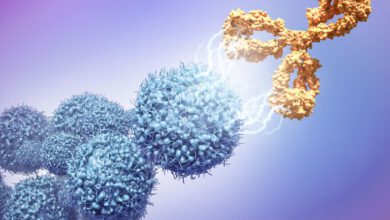
Turning “Cold” Tumors “Hot”: Prostate tumors are notoriously “cold,” meaning they normally evade or suppress the immune system. C’ dots fundamentally alter this environment, converting inert or immunosuppressive immune cells (like T cells and macrophages) into active tumor fighters.
-
Metabolic Disruption: The particles also cause extensive, growth-inhibiting metabolic chaos within the tumor’s microenvironment.
To ensure safety, the nanoparticles were engineered with a targeting molecule that homes in on PSMA, a protein found on the surface of prostate cells. Even in organs where the particles temporarily accumulated, such as the spleen, no toxicity was observed.
Dramatic Results in Combination Therapies
While C’ dots and standard immunotherapies each provided moderate survival extensions when used alone, combining them yielded dramatic, synergistic results in mice with aggressive prostate cancer:
| Treatment Type | Survival / Remission Rate |
| C’ Dots + Immune Checkpoint Blockade | 40% (4 out of 10 mice) achieved complete or near-complete remission and indefinite survival. |
| C’ Dots + Immune Checkpoint Blockade + CSF-1R Blockade (targeting macrophages) | 50% (5 out of 10 mice) achieved complete remission. |
“We think there’s nothing else out there that has such a strong and durable tumor growth suppressing effect,” noted senior author Dr. Michelle Bradbury.
Co-author Dr. Jedd Wolchok added that by transforming the immune environment, these particles could finally unlock the full potential of immunotherapy in prostate cancer—an area where long-lasting success has historically been incredibly difficult to achieve.
A Multidisciplinary Collaboration
This breakthrough is the result of a long-term collaboration between Dr. Bradbury’s molecular imaging laboratory and the materials science lab of co-corresponding author Ulrich Wiesner. Commenting on how the particles manage to trigger so many beneficial anti-cancer pathways at once without harming healthy tissue, Wiesner wondered if humanity’s early and constant environmental exposure to silica (via leafy greens and grains) created a biological connection we are only now beginning to understand.
The researchers credited co-first authors Nabil Siddiqui, Dr. Li Zhang, and Gabriel DeLeon for leading the biological and translational experiments, alongside graduate students Nada Naguib and Rachel Lee for the precision engineering of the particles.
Moving forward, the team will continue exploring these ultrasmall silica particles as a new class of cancer therapeutics, with the ultimate goal of testing their safety and efficacy in human clinical trials.
This research was funded in part by the Department of Defense, the National Cancer Institute (NIH), and the Parker Institute for Cancer Immunotherapy.